Many first-time guests book a wellness resort expecting a relaxed spa holiday, then arrive to find a 6:00 am wake-up call, a set meal plan and a schedule that runs almost minute by minute. The mismatch works the other way too: travelers who want structure sometimes choose a resort that offers little more than a gym and a sauna, then wonder why the price per night is so high. Knowing what you are signing up for makes all the difference.
This guide walks through what a typical package actually includes, how a full day flows from sunrise to lights-out, and which spa, fitness and healing amenities separate serious resorts from ordinary hotels with a treatment room. You will also find how food and nutrition programs work, how to choose a program length and book at the right time, and which type of traveler gets the most out of a stay. By the end, you will be able to match a resort to your goals instead of guessing.
What a Wellness Resort Actually Includes
Most wellness resort packages bundle far more than a room. A standard rate typically covers accommodation, three healthy meals a day, daily fitness classes and one or two spa treatments per night of your stay. That means a five-night package might include around five to ten treatments, which is why the nightly price looks high compared with a regular hotel.
Extras are usually billed separately. Personal training sessions, one-on-one consultations with nutritionists or doctors, premium therapies and some specialty classes sit outside the base rate. Before booking, ask for a full price list so you can budget for the add-ons you actually want rather than discovering them on your checkout bill.
What the nightly rate typically covers
As a benchmark, all-inclusive wellness packages typically range from $300 to $800 per night per person. Medical wellness programs, which involve physician consultations and clinical testing, sit at the top of that range. If a resort quotes well below these figures, check carefully what has been removed from the package, since meals and treatments are the first things to become optional.
Always confirm exactly which treatments and classes are included before you pay. Some resorts let you choose your daily treatment, while others assign a set schedule. A quick email to the reservations team can save you from surprises and help you compare resorts on a like-for-like basis.
A Typical Daily Schedule From Sunrise to Evening
Structure is the defining feature of a wellness resort stay, and the day starts earlier than most vacations. Days usually open between 6:00 and 7:00 am with sunrise yoga, a meditation session or a guided beach walk. Attendance is generally optional, but joining the morning session sets the rhythm for everything that follows and is when many guests feel the biggest benefit.
Mid-morning is the most active block. Expect fitness classes, guided hikes or educational workshops on topics like sleep or stress management, followed by your scheduled spa treatments in the early afternoon. Evenings wind down deliberately: restorative yoga, sound baths or early dinners, with a lights-out culture that settles around 9:00 to 10:00 pm.
- Treatment slots fill fast. Your daily spa treatments are usually pre-booked into the schedule, so confirm your preferences before arrival rather than requesting massages on the day.
- Workshops vary by property. Some resorts run daily talks on nutrition or mindfulness, while others rotate topics weekly, so check the activity calendar for your exact dates.
- Quiet hours are enforced. Many resorts dim common areas and close pools in the evening, which is intentional and part of the sleep-focused design.
- Meals follow the clock. Dinner is often served early, sometimes before 7:00 pm, to support digestion and the early wake-up the next morning.
If a fully scheduled day sounds exhausting, look for resorts that label sessions as optional. Most guests find that after two or three days, the early nights and morning starts stop feeling like a sacrifice and start feeling like the point of the trip.
Spa, Fitness and Healing Amenities to Look For
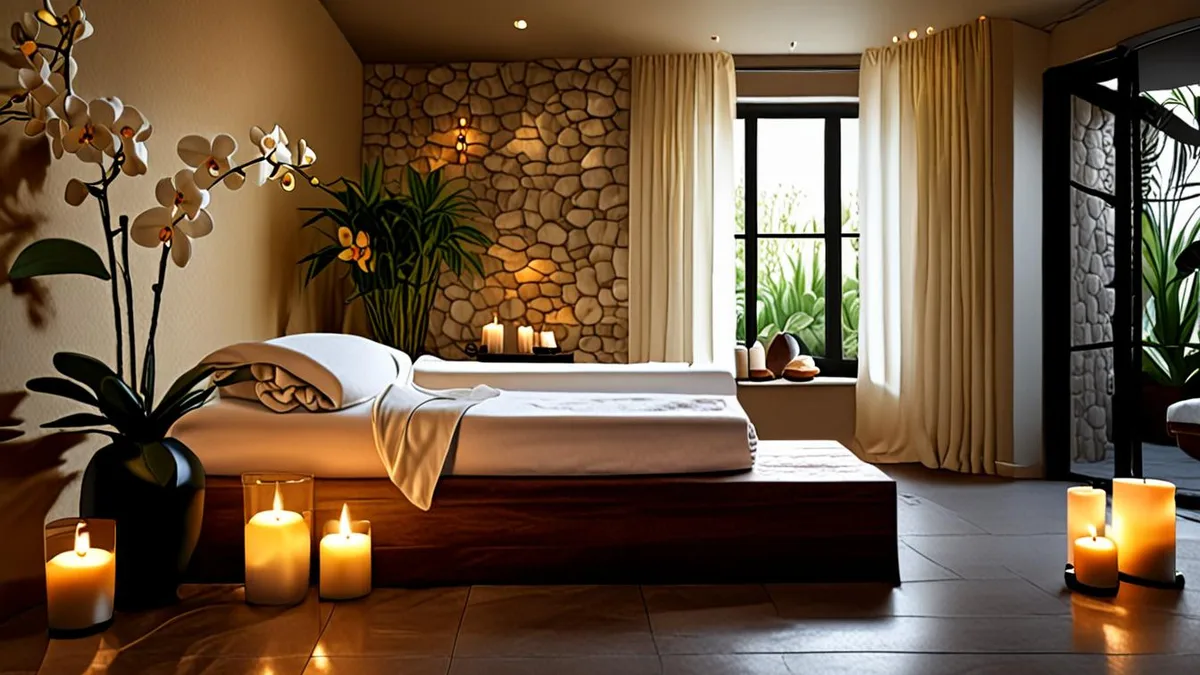
The spa area is where wellness resorts justify their price, so it pays to look closely at what is on offer. Core facilities to look for include hydrotherapy circuits, saunas, steam rooms, cold plunge pools and well-equipped treatment suites. A hydrotherapy circuit, where you move between warm and cold stations in sequence, is a good indicator that the spa takes recovery seriously rather than offering a few standalone treatment rooms.
Ask how many treatment suites a resort has relative to its room count. If the spa is small and every guest is entitled to one or two treatments per day, slots can be tight, and you may end up with times that clash with classes you wanted to join.
Fitness and movement options
Fitness offerings range widely. At the accessible end, expect Pilates studios, a gym and a lap pool. More active resorts add hiking trails on or near the property and water sports such as paddleboarding. Match the options to your fitness level: a resort built around trail running will feel very different from one centered on gentle yoga and pool time.
Specialized therapies
Some resorts go further with specialized offerings such as IV therapy, cryotherapy and sleep labs. Depending on the destination, you may also find traditional healing practices rooted in the local culture. These sit outside the standard package and should be approached as informed choices: ask about the qualifications of the practitioners and what any therapy involves before booking it. A good resort will explain the evidence and the experience clearly, and will never pressure you into premium add-ons.
Food and Nutrition Programs Explained
Food is a central part of any wellness resort stay, not an afterthought. Most properties serve plant-forward or calorie-controlled menus, and your package typically includes three meals a day plus healthy snacks between them. Expect creative vegetable-based dishes, smaller portions than a typical resort buffet, and kitchens that happily accommodate allergies and dietary preferences if you mention them when booking.
The nutrition consultation
On arrival, most guests sit down with a nutritionist or wellness consultant for an initial assessment. This conversation covers your eating habits, health goals and any digestive issues, and it shapes what ends up on your plate for the rest of the stay. If you have signed up for a detox or weight-loss program, the consultant will build a personalized meal plan around those goals, sometimes adjusting it day by day based on how you respond.
What to know about alcohol and cleanses
Alcohol is often limited or excluded entirely, so check the policy before you book if an evening glass of wine matters to you. On detox programs, juice cleanses typically replace solid food for 1-3 days, supported by herbal teas and supplements. If that sounds intimidating, look for gentler programs that keep regular meals and simply cut sugar, caffeine and processed foods instead. The food itself is usually flavorful and satisfying, so most travelers leave with recipes and habits worth taking home.
Choosing a Program Length and Booking Timeline
Wellness programs come in set lengths, and choosing the right one matters as much as choosing the destination. A program that is too short can leave you feeling like you barely settled in, while one that is too long can strain both your schedule and your budget. The good news is that a little planning goes a long way. Here is a practical sequence for getting the timing right, from picking your program to locking in a good rate.
- Match the program length to your goal. Detox and weight-loss programs usually run in fixed cycles of 7, 10 or 14 days, because the results depend on completing the full cycle. A general relaxation or yoga stay can be as short as 5 nights, which works well if you are combining it with other travel.
- Identify your travel window. High season at tropical wellness destinations runs from December through March, when demand peaks and availability tightens. Shoulder season months are quieter and cheaper, as covered in the next step.
- Book on the right timeline. For December-March stays in tropical destinations, plan to reserve 2-3 months ahead to secure your preferred room and program dates. In shoulder season, 4-6 weeks of lead time is typically enough.
- Use shoulder season to save. Traveling in May-June or September-October can cut 20-30% from package rates. You still get the full program, often with smaller class sizes and a calmer spa, since fewer guests share the pool, trails and treatment rooms at the same time.
One final tip: ask about check-in days before you book. Some fixed-cycle programs only start on specific days of the week, so your flight dates may need to flex around the program calendar rather than the other way around. This is especially true for detox and weight-loss cycles, where missing the start date can mean waiting several days for the next group to begin. Confirm this early, build a buffer day into your flights if you can, and your whole trip comes together more easily.
Who a Wellness Resort Stay Suits Best
Wellness resorts reward a particular kind of traveler, and knowing whether you fit that profile saves you from an expensive mismatch. The short version: if you want structure, this is your place. If you want freedom to do nothing at all, a regular beach holiday may serve you better.
The ideal guest
These resorts suit travelers recovering from burnout who want someone else to make the decisions for a week. The schedule is set, the food is chosen, and the temptation to oversleep or overindulge is quietly removed. Solo guests tend to thrive here too, since shared classes and communal dining tables make it easy to meet people without any pressure. Families should check carefully before booking, because many adult-focused resorts set minimum ages of 16 or 18, and a few allow children only in dedicated programs or seasons. Always verify the kids’ policy directly with the property.
A word for first-timers
If this is your first wellness stay, start with a relaxation or yoga program rather than an intensive detox or medically supervised program. The gentler options still include daily spa treatments, good food and a restorative routine, but they leave room for a bad night’s sleep or a skipped class. Once you know how your body responds to the pace and the food, you can step up to longer or more intensive programs on a future trip with realistic expectations.
Wrapping Up Your Wellness Resort Expectations
A wellness resort blends structured daily routines, included spa treatments and healthy dining into one package, which is exactly what surprises most first-time guests. Rather than a free-form holiday, you can expect early mornings, scheduled classes and set mealtimes, with most packages covering accommodation, three meals plus snacks, and one to two spa treatments per day. Knowing this before you book is what prevents mismatched expectations.
The planning basics are simple: stays typically run 5-14 nights at $300-$800 per night per person, and booking 2-3 months ahead is wise for high season, while shoulder season travel can cut rates by 20-30%. Above all, match the program style to your goals, whether that is relaxation, yoga or a more intensive reset. If this helped you picture your first stay, leave a comment or share the article.