Scroll through any glamping photo and the price tag rarely shows up in the frame. A canvas tent with fairy lights looks like a bargain, but the glamping cost for the same style of stay can swing wildly depending on where you book, when you go and what fees get tacked on at checkout. That uncertainty leaves many travelers unsure whether a night under canvas actually fits their budget or will blow it apart.
This guide breaks it all down so you can plan with real numbers instead of guesses. We cover what glamping typically costs across budget, mid-range and luxury styles, how prices shift with season and day of the week, and the hidden fees that quietly inflate your total. You’ll also find tips on when and how to book for the best rate, how to pick a style that matches your wallet, and a sample weekend budget you can adapt to your own trip.
What Does Glamping Cost on Average?
Glamping prices fall into three broad tiers, and knowing where a site sits on that ladder makes comparing listings much easier. At the budget end, simple tent sites and basic cabins typically run $75–$150 per night. You usually get a real bed, lighting and access to shared bathrooms, which is a big step up from pitching your own tent without a huge jump in price.
The middle tier is where glamping starts to feel genuinely luxurious. Safari tents, yurts and camping pods generally cost $150–$300 per night, and at this level you can expect private bathrooms, proper heating and often a small kitchen or kitchenette. These are the sites that work well for couples and families who want comfort but not a five-star bill.
Premium domes and treehouses
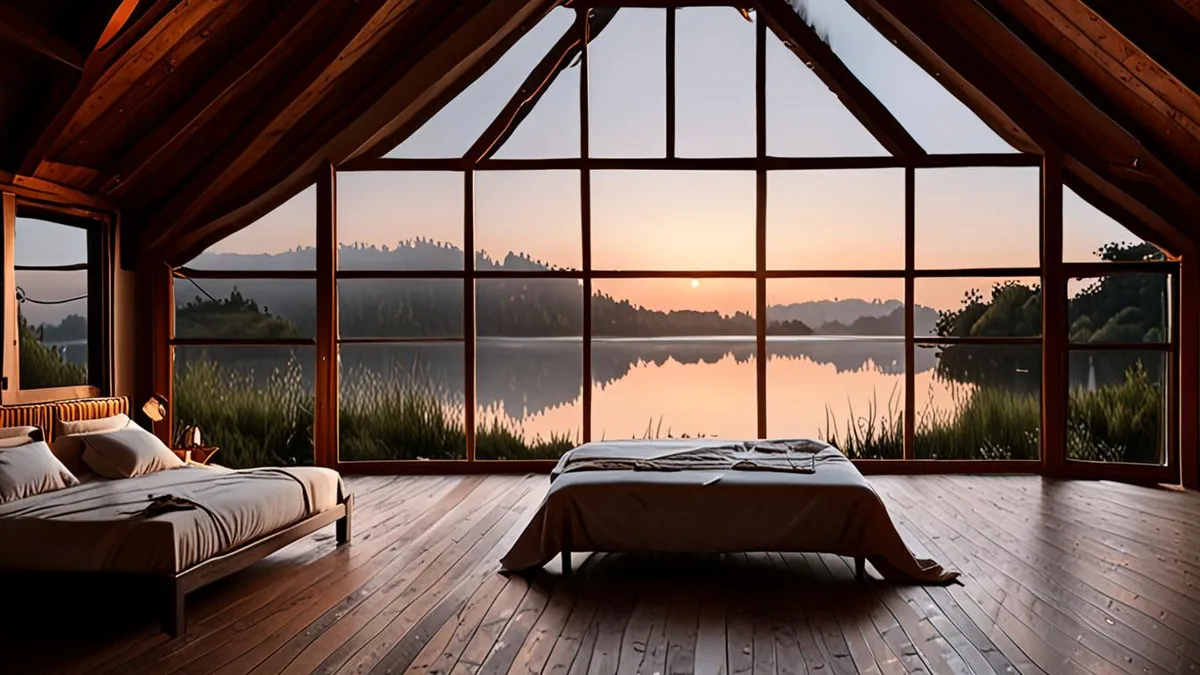
At the top of the range, geodesic domes and treehouses typically start around $300 per night and can climb past $600. These stays usually come with panoramic windows, hot tubs, full bathrooms and striking design, so you’re paying partly for the experience and the photos as much as the bed.
Location matters just as much as style. Sites near popular national parks and coastlines command a premium over the same tent an hour away, so if your heart is set on a famous destination, expect to pay toward the top of each tier or book well in advance.
How Glamping Cost Changes by Season and Day of the Week
Timing has an enormous effect on what you’ll pay for the same tent on the same site. During peak season, roughly June through August, glamping rates often run 30–50% higher than they do in shoulder season. Demand from families on summer break, warm weather and long weekends all push prices up, and the most popular sites sell out months ahead.
The day of the week matters too. Weekend nights typically cost 20–40% more than midweek nights, so a Tuesday arrival can shave a meaningful amount off a two-night stay. If your schedule allows, shifting your trip to Sunday through Wednesday is one of the easiest ways to save without changing anything else about it.
What to watch for when comparing dates
- Minimum stays: many popular sites enforce a 2-night minimum on weekends, so a one-night Saturday stay often isn’t an option at all.
- Shoulder-month sweet spots: May, September and early October combine lower rates with pleasant weather in most regions, though foliage weekends in fall can price like summer.
- Holiday weekends: expect peak-season pricing and stricter minimums even in otherwise quiet months.
- Midweek availability: some sites offer shorter stays or extra flexibility on weekdays that they won’t extend to Saturdays.
If your dates are flexible, start by pricing the same site across a few different weeks. The gap between a July Friday and a late-September Monday can be larger than the difference between a budget tent and a luxury dome.
Hidden Fees That Inflate Your Glamping Budget
The nightly rate on a listing is rarely the full story. On booking platforms, cleaning fees and service fees can add $30–$80 per booking, and unlike a hotel, that charge doesn’t shrink if you only stay one night. On a short trip, fees can add 20% or more to your total, which is why two sites with similar advertised rates can end up costing very different amounts.
Extras that get charged separately
Beyond platform fees, many glamping sites bill for things you might assume are included. Pet fees are common if you bring a dog, and firewood is often sold by the bundle rather than provided free. Activity add-ons like kayak rentals, guided walks or breakfast baskets usually appear as separate line items too. None of these are unreasonable on their own, but together they can quietly add $50 or more to a weekend.
The habit that saves the most money is simple: always compare the total price at checkout, not the advertised nightly rate. Most booking platforms let you toggle a display that shows the full price including fees, and it’s worth turning that on before you shortlist anything. If a site has its own website, get a quote there as well, since the same stay can be priced differently depending on where you book. Doing this for two or three options takes minutes and gives you a true side-by-side comparison.
When and How to Book for the Best Glamping Price
Timing matters almost as much as destination when it comes to glamping prices. The most sought-after domes and safari tents are small operations with only a handful of units, so they sell out quickly and rarely discount once demand builds. A little planning goes a long way, and knowing when to hold out for a deal can save you real money without sacrificing the experience.
- Book 2–3 months ahead. This is the sweet spot for most glamping sites: owners have enough availability for you to pick your dates and unit type, and rates are typically at their lowest before peak-season demand kicks in. For popular summer weekends, treat this window as your deadline rather than a suggestion.
- Use last-minute deals carefully. In shoulder season, sites sometimes discount empty units a few days before arrival, so it can pay to call or check platforms close to your travel date. In summer, though, the odds are against you: the best units are usually booked solid, and waiting often means paying more or settling for leftovers.
- Compare direct booking with platforms. Many site owners list on booking platforms but offer a better total price when you book directly, since they avoid platform commissions and some of the service fees that can add $30–$80 per booking. If you find a site you like, check whether the owner has their own website or phone number and ask for their direct rate.
One practical approach: shortlist two or three sites you like, then contact each owner directly before committing anywhere. Ask about direct-booking rates, what is included, and whether any midweek or shoulder-season offers apply to your dates. Ten minutes of emails or phone calls often makes the difference between an average rate and a genuinely good one.
Choosing a Glamping Style That Matches Your Budget
The fastest way to control your glamping budget is to pick a style that matches what you actually need. A couple who plans to spend their days hiking does not need a heated dome with a private hot tub, while a birthday celebration probably deserves more than a basic canvas tent. Matching the accommodation to the occasion keeps the trip fun without overspending, and it prevents that common disappointment of paying for luxuries you barely use.
Here is how the main styles break down in practice:
- Tents and bell tents: The entry point to glamping, ideal for first-timers and tight budgets. You typically get a real bed and lighting on a raised platform, but expect shared bathroom facilities a short walk away. Pack warm layers, since heating is often minimal or absent.
- Yurts and safari tents: The middle ground that works well for couples and small families. These usually offer more floor space, proper furniture and often a small kitchen area, so you can cook some meals instead of eating out every night.
- Domes and treehouses: The splurge tier, best saved for anniversaries, proposals or milestone trips. Expect panoramic windows, private bathrooms and design touches you will remember long after the trip.
Whichever style you choose, check exactly what is included before comparing prices. Heating, a private bathroom and kitchen access all justify higher rates, and a site that includes them may actually cost less overall than a cheaper option where you pay for showers or rent cooking equipment separately. Ask about linens, too, as a few sites charge for bedding as an add-on. It also helps to read recent guest reviews for the specific unit you are booking, not just the site in general. Two safari tents on the same property can feel very different depending on their position, privacy and age. Finally, be honest about how much time you will actually spend inside. If you are out hiking all day, a simpler setup may serve you better than a showpiece you only see after dark.
Sample Glamping Budget for a Weekend Trip
Numbers make budgeting much easier, so here is a realistic worked example for a weekend glamping trip for two people. Say you book two mid-range nights, such as a safari tent or yurt, at $200 each. That gives you a base of $400 for accommodation, which is a typical rate for that style in many regions, though popular areas can run higher.
On top of the nightly rate, plan for the extras that almost every trip includes:
- Fees and extras: roughly $80–$120. This covers a cleaning or service fee if you booked through a platform, a bundle or two of firewood for evening fires, and snacks or drinks you pick up on the way. Cleaning fees alone can add a meaningful chunk per booking, so factor them in from the start.
- Travel and meals: budget $100–$200. Fuel costs depend entirely on how far the site is from home, and food spending depends on whether the unit has kitchen access. Cooking most meals yourself keeps you near the lower end; a dinner out at a nearby town pushes you toward the top.
Add it up and you get a realistic total of $580–$720 for two people over a weekend. That figure assumes mid-range accommodation and sensible extras, not a bare-bones tent trip or a luxury dome. Use it as a template: swap in your own nightly rate and driving distance, and you will have a working budget in about five minutes. One last check before you book: confirm whether the site requires a two-night minimum on weekends, since that shapes which dates you can actually choose.
Wrapping Up Your Glamping Budget
So, does glamping fit your budget? The honest answer is that it depends on what you book. A night under canvas can cost anywhere from about $75 to well over $600, and the style you choose makes the biggest difference. Season and day of the week matter too, and hidden fees like cleaning charges can quietly push the final total higher than the advertised rate suggests.
The good news is that a little planning goes a long way. Booking early and comparing total prices rather than nightly rates keeps a weekend trip for two around $600–$700, which is often comparable to a mid-range hotel stay with far more character. If you’ve been putting off glamping because the prices looked unpredictable, you now have the numbers to decide with confidence. If this guide helped you plan your trip, leave a comment or share it with a fellow traveler.