Trying to price a lodge stay can feel like guesswork. One lodge quotes $90 a night, another asks $900, and both call themselves “lakeside retreats.” Without a clear picture of what drives the lodge stay cost, it’s hard to know whether that quoted rate is a genuine bargain or an expensive mistake. The truth is that a nightly rate alone rarely tells the whole story.
This guide breaks down exactly what you’re paying for. We’ll look at the factors that determine pricing, typical nightly rates across budget, mid-range and luxury categories, and how the season can swing your bill. We’ll also flag the extra fees that often hide outside the quoted rate, walk through sample budgets for couples, families and luxury travelers, and share practical ways to pay less without sacrificing the experience. By the end, you’ll be able to read any lodge quote with confidence and match it to your budget before you book.
What Determines Lodge Stay Cost?
Not all lodge rates are created equal, and understanding what sits behind a price helps you judge whether it’s fair. Four factors do most of the work: where the lodge is, what kind of room you book, when you travel, and what’s bundled into the rate.
Location and remoteness
Lodges far from towns and airports almost always charge more, and there’s a simple reason: logistics. Every bottle of wine, fresh vegetable and staff member has to be trucked or flown in, and the lodge passes those costs on. A remote safari lodge or wilderness retreat can easily cost several times more than a similar property on the edge of town, even if the rooms look comparable.
Room type, season and inclusions
Within the same lodge, a standard room, a standalone chalet and a private villa sit at very different price tiers. Chalets add privacy and often outdoor space, while villas typically come with extras like private pools or dedicated staff.
Season matters just as much. High season rates are often 30–50% above low season prices, so the same room can change dramatically in cost depending on your dates. Finally, check what’s included: when meals, game drives, boat trips or airport transfers are bundled into the rate, the base price rises accordingly. A higher headline rate with everything included can actually beat a cheaper room-only option once you add up the extras.
Typical Nightly Rates by Lodge Category
Lodge pricing falls into three broad categories, and knowing where a property sits helps you set realistic expectations before you even request a quote. The lines between categories blur a little by region, but the ranges below hold up in most lodge destinations, from safari country to mountain retreats. Use them as a starting point, then compare what each rate actually includes.
Budget lodges are the workhorses of the lodge world. Expect $50–$120 per night for a double room, often with a shared or self-catering kitchen so you can cook your own meals and keep daily costs down. Mid-range lodges typically cost $120–$300 per night, and at this level you’ll usually get breakfast or half board included, plus a pool or restaurant on site. Luxury lodges commonly range from $400 to well over $1,000 per night, and at that level the rate is typically all-inclusive, with guided activities and premium dining woven into the price.
- Budget lodges: many are family-run and sit near the entrance of national parks or along main routes, making them a good base if you plan to spend your days out exploring rather than at the lodge.
- Mid-range lodges: these often include daily housekeeping, en-suite bathrooms and a set dinner menu, so you can settle in without planning every meal.
- Luxury lodges: guest-to-staff ratios are usually high, meaning you may have a dedicated host, private vehicle for activities and flexible meal times rather than fixed dining hours.
One word of caution: the nightly rate is rarely the whole story. Check whether meals, activities and fees are bundled in before comparing categories side by side, since a higher base rate can sometimes work out cheaper overall.
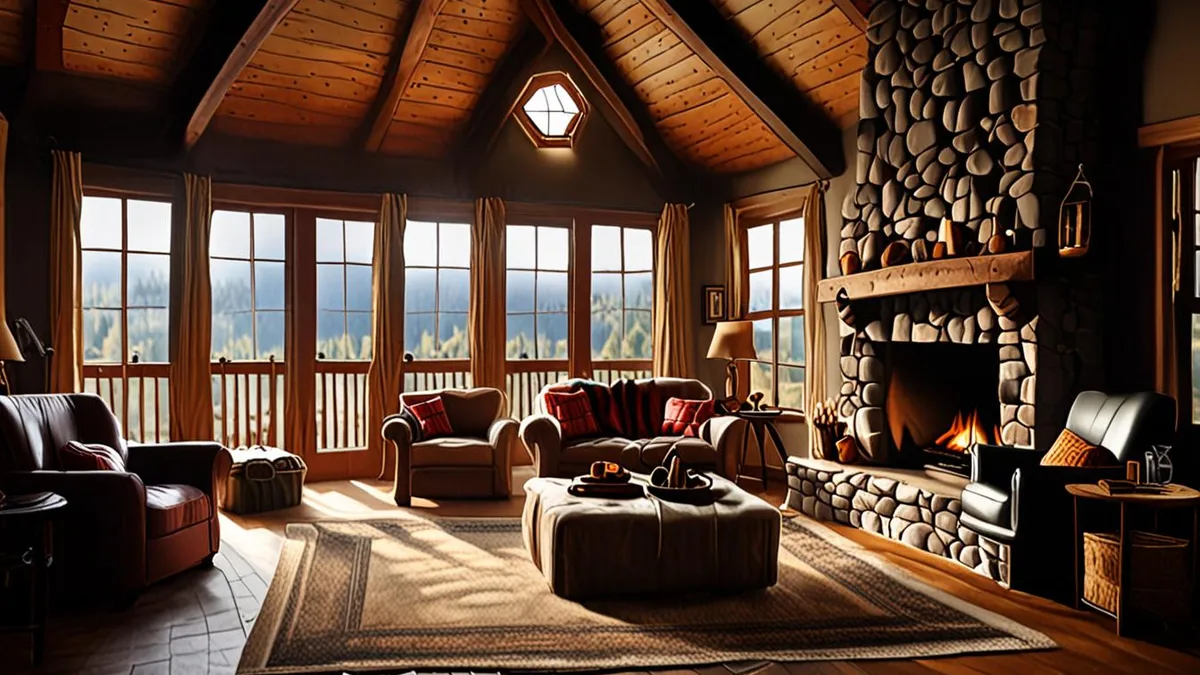
Seasonal Price Swings and When to Book
Timing is one of the biggest levers on your lodge bill. The same room, in the same lodge, can cost dramatically different amounts depending on when you show up, so it pays to think about your dates before you fall in love with a specific property.
Understanding high season versus shoulder months
High season, typically school holidays and the driest months of the year, commands peak pricing. Demand surges, availability shrinks and lodges charge their top rates. The shoulder months on either side of that peak are where the value lives: weather is usually still pleasant, wildlife and scenery haven’t disappeared, and rates drop noticeably while crowds thin out. If your schedule allows even a small shift away from the busiest weeks, ask the lodge directly how rates compare between those periods. Many will happily quote both so you can weigh the trade-off yourself.
When to book and which nights to pick
For peak season stays, booking 3–6 months ahead usually secures the best rates. Leave it late and you’ll often be choosing between the expensive rooms or the ones nobody wanted. If your dates are flexible, aim for shoulder season and book early anyway.
The day of the week matters more than most travelers expect. Midweek nights are often 10–20% cheaper than weekends, since lodges fill up with short-break guests on Friday and Saturday. Shifting a four-night stay to run Sunday through Thursday can shave a meaningful amount off the total without changing anything about the experience. It’s a simple change to request when booking, and some lodges may even throw in a free night for longer midweek stays — always worth asking.
Hidden and Extra Fees to Budget For
The nightly rate on a lodge website is rarely the final number you’ll pay. Most lodges add a few extras on top of the room price, and some of them only appear when you check in or review your bill at the end of your stay. Building these into your budget from the start keeps the total from catching you off guard.
The most common add-on is a resort or conservation fee. Many lodges, especially those near national parks or private reserves, charge a nightly fee per room to fund local projects, park access or property upkeep. The amount varies by property, and some lodges fold it into the quoted rate while others list it separately, so it pays to ask before you book.
Meal plans are the other big variable. A room-only rate looks cheap until you realize dinner at a remote lodge can cost as much as in a city restaurant. All-inclusive packages bundle meals, drinks and sometimes activities into one price, but that convenience typically adds $80–$200 per person per day over the room-only rate. Whether that’s good value depends on how much you’d actually eat and drink on-site.
Watch out for these extras as well:
- Airport transfers: lodges far from the nearest airstrip or town often charge per vehicle or per person, and a long transfer can add a noticeable amount to a short stay.
- Guided activities: game drives, boat trips, bush walks and spa treatments are frequently priced individually, so a few excursions can add up quickly if they’re not included in your package.
- Gratuities: tipping guides, housekeeping and general staff is customary at many lodges, and some suggest a daily amount per guest, so set money aside for this.
- Premium drinks and laundry: at all-inclusive lodges, imported wines and spirits are often billed separately, and laundry services usually carry an extra charge.
Before you confirm a booking, email the lodge and ask for a full cost breakdown: what’s included in the rate, which fees apply per night, and how transfers and activities are priced. A short email upfront is the easiest way to avoid surprises on your final bill.
Sample Budgets for Different Trip Styles
Abstract price ranges only get you so far. It helps to see how they translate into real trip totals, so here are three common scenarios with realistic numbers, assuming two people share a room and meals are included where noted.
Couples on a mid-range trip
A couple booking a mid-range lodge for four nights, with breakfast or half board included, should budget roughly $600–$1,400 in total. The lower end fits lodges at the cheaper end of the mid-range band with fewer add-ons, while the upper end covers nicer rooms, a few paid activities and a fuller meal plan. Add a buffer for transfers and tips if you want a stress-free number.
Families in a budget lodge
A family of four staying a full week in a budget lodge, cooking for themselves in self-catering accommodation, can expect to spend around $1,400–$2,500. The spread depends on whether you need one unit or two, how far you drive to reach the lodge and how many paid activities you add. Buying groceries before you arrive, rather than at the lodge shop, keeps food costs down noticeably.
Luxury all-inclusive escapes
For two travelers wanting a high-end, all-inclusive experience, plan on $3,000–$8,000+ for four to five nights. The wide range reflects differences in inclusions: private guides, premium drinks, spa treatments and charter transfers push a stay toward the top of that band, while a more standard all-inclusive package sits nearer the bottom. Always confirm exactly what the rate covers before committing, since at this level the difference between packages can be thousands of dollars.
How to Lower Your Lodge Stay Cost
Lodge stays can be expensive, but the same room often costs very different amounts depending on when and how you book. A few deliberate choices can trim hundreds of dollars off a trip without downgrading the experience.
The single biggest lever is timing. Peak-season nights can cost far more than the identical room just a few weeks earlier or later. Shifting your trip into the shoulder months — the weeks on either side of high season — often brings the nightly rate down sharply. Weather and wildlife viewing in shoulder season are frequently still good, lodges are quieter, and staff often have more time for guests.
The second lever is comparing rate types. A room-only rate plus a few paid meals can work out cheaper than an all-inclusive package if you plan to eat off-site or self-cater some days. All-inclusive pricing carries a real premium over room-only rates, so do the math based on how often you’ll actually be at the lodge for lunch and dinner. If your days are packed with guided activities, the package may pay for itself; if you like heading out to local restaurants, it probably won’t.
A few more ways to bring the total down:
- Stay longer: many lodges offer discounted nightly rates for stays of several nights or more, so a six-night visit can cost less per night than a two-night one.
- Ask about unlisted deals: some lodges offer resident rates, last-minute specials or longer-stay packages that only appear if you contact them directly.
- Compare booking channels: the same room can be priced differently through a booking platform, a travel agent or the lodge itself, so check more than one source before you commit.
Wrapping Up Your Lodge Budget
So, how much does a lodge stay actually cost? The honest answer is anywhere from about $50 to over $1,000 per night, depending on whether you’re booking a simple budget room or a fully inclusive luxury suite. That’s a huge spread, and it’s why a quoted nightly rate on its own tells you very little.
The real price of a lodge stay is shaped by more than the base rate. Season alone can swing prices by 30–50%, while meals, activities, transfers and those easy-to-miss resort or conservation fees can quietly add hundreds to your final bill. The good news is that with the ranges and fee breakdowns above, you can now read any quote with confidence and match a lodge to your budget before you ever hit book. If this guide helped you plan your trip, leave a comment or share it with a fellow traveler.