Many travelers dream of waking up inside a national park, only to book a lodge stay at the wrong time of year. Some pay peak-season prices and battle crowds on the very trails they came to enjoy. Others arrive to find the dining room shuttered or the lodge itself closed for the season. A lodge stay in national parks can be magical, but timing makes the difference between a retreat and a queue.
This guide walks you through how each season changes the experience. We compare peak summer, the quieter shoulder months, winter snowscapes, and the trade-offs of spring. You will also learn how far ahead to reserve, since the most popular in-park lodges can sell out many months in advance. By the end, you should know which season matches your budget, your tolerance for crowds, and the scenery you want outside your window. Let’s find your best time to book.
Why Timing Matters for a Lodge Stay in National Parks
Staying inside a national park is unlike staying in a regular hotel. Park lodges do not run year-round in most cases. They operate on fixed opening seasons set by the park and its concessioners, and those dates vary widely between parks. Book the wrong month and you may find the lodge closed entirely, the restaurant running on a limited menu, or facilities like the pool and gift shop shut for the season. That is a frustrating way to discover that your dream room was never actually available.
Prices, crowds and wildlife all move with the seasons
Even when a lodge is open, the experience changes dramatically by month. Rates, crowds and wildlife activity all swing between peak, shoulder and winter seasons. Summer brings full services and long daylight, but also the year’s highest prices and busiest trails. Shoulder months offer milder weather and noticeably lower rates. Winter can deliver snow-covered scenery and steep discounts, though often with reduced rooms and services.
Wildlife follows its own calendar too. Animals are more active at dawn and dusk in cooler months, while summer herds often retreat to higher ground. Understanding these patterns before you book helps you choose a season that fits what you actually want from the trip.
In the end, choosing the right season shapes whether your lodge stay feels like a quiet retreat or a slow-moving queue. The sections below break down each season so you can match it to your priorities.
Peak Summer: Iconic Views at Premium Prices
Summer is when national parks show off. From June to August, you get full trail access, a full schedule of ranger programs, and the widest range of lodge services. Restaurants, tours, shuttle systems and gift shops all run at capacity, and long daylight hours let you pack more into each day. If you want the complete, classic park experience, this is the season that delivers it.
What you pay for the full experience
That convenience comes at a price. Lodge rates in peak season often run 30-50% above shoulder-month prices, and rooms inside the parks book up fast. Popular trailheads and viewpoints get heavily congested, so a short walk can involve a crowded parking lot and a line of hikers. Expect slower shuttles, busier dining rooms and less solitude at famous spots.
How to soften the cost and the crowds
Two simple strategies help. First, book weekday nights instead of weekends: in peak season, weekday stays can cost 15-25% less than weekend nights at the same lodge, and trails tend to be a little quieter midweek. Second, start your days early, since the most popular viewpoints are far calmer before mid-morning.
If iconic views, full services and ranger-led activities matter most to you, summer is worth the premium. Just reserve early and plan around the congestion.
Shoulder Seasons: The Sweet Spot for Value and Quiet
For many travelers, the shoulder seasons are the smartest time to book a park lodge. May and September-October combine mild weather, thinner crowds and noticeably lower lodge rates. You still get most trails and services open, especially in late May and early fall, but without the peak-summer crush at trailheads and viewpoints. Dining rooms are calmer, parking is easier, and the overall pace feels closer to a retreat than a queue.
Fall color makes these months even better
September and October add a bonus in the right parks: autumn foliage. Great Smoky Mountains and Acadia are especially known for their fall displays, when hardwood forests turn brilliant shades of red, orange and gold. Exact peak color varies by park and elevation and shifts from year to year, so check current foliage reports before locking in dates. Even outside peak color, crisp air and golden light make fall lodge stays memorable.
Easier booking windows
Another advantage is flexibility. These months typically need only 2-4 months of booking lead time, instead of the year-ahead planning that peak summer often demands. That makes shoulder-season trips easier to plan spontaneously, and you will usually have a better choice of rooms and room types closer to your travel dates.
If you want good weather, working lodges and reasonable prices, May and the September-October window are hard to beat.
Winter Lodge Stays: Snowscapes and Steep Discounts
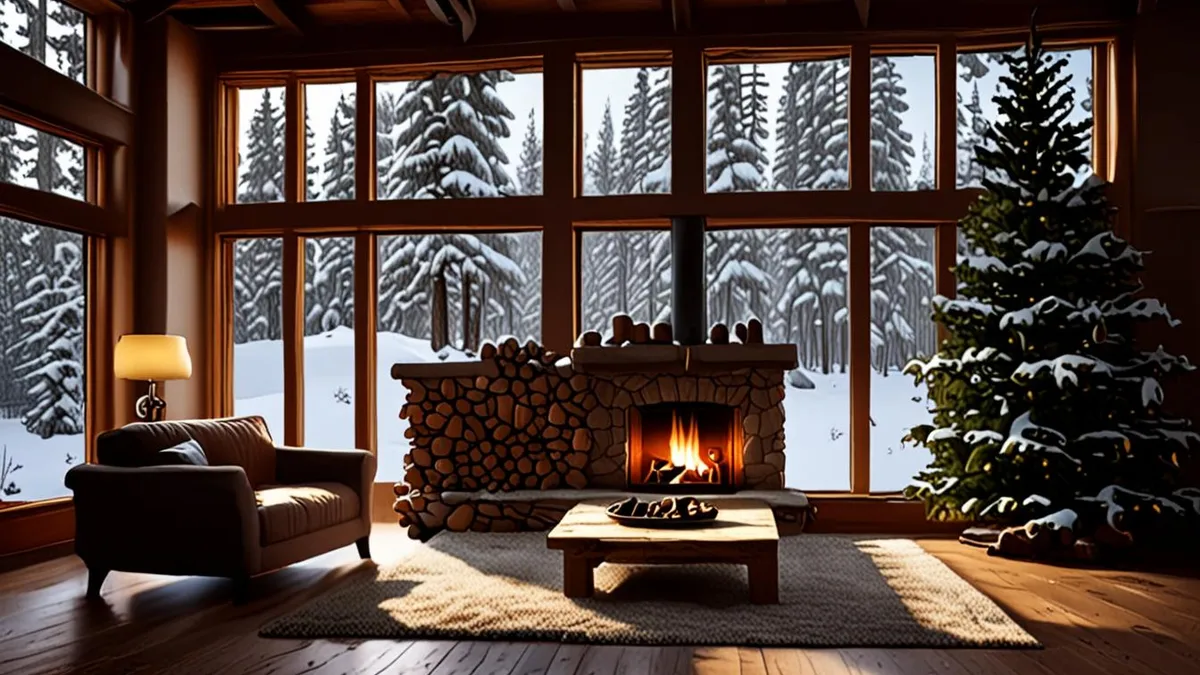
Winter transforms a handful of America’s national parks into quiet, otherworldly landscapes, and December to February is when a lodge stay here feels most like a retreat. In Yellowstone, snow-covered basins surround steaming geysers and hot springs, creating a striking contrast of white and mist. Yosemite takes on a softer character too, with snow dusting the granite walls and far fewer visitors on the valley floor.
The trade-off is that many in-park lodges scale back dramatically for the season. Some operate only a limited number of rooms, others close restaurants or cafés entirely, and a few shut their doors until spring. Before you commit to a winter date, contact the lodge or check its official site to confirm exactly what will be open during your stay.
Why winter can be the cheapest time to go
Demand drops sharply once the snow arrives, and that often translates into the lowest nightly rates of the year. If you are flexible on dates and comfortable packing layers, a winter lodge stay can deliver iconic scenery at a fraction of the cost of a summer trip. Just build in some buffer for weather-related delays, and check road access and shuttle schedules for your specific park before finalizing plans.
Spring Trade-Offs: Low Rates, Unpredictable Trails
March and April are tempting for budget-conscious travelers because lodge prices in many parks sit at or near their yearly low. The catch is that conditions can be unpredictable: frequent rain, muddy trails and lingering snow at higher elevations are all common in spring. Pack waterproof footwear, layers you can add or shed during the day, and a flexible itinerary that can shift indoors if a storm rolls through. With that mindset, an early spring lodge stay can still feel like a genuine reward rather than a compromise.
Because higher trails and some roads may remain closed into spring, plan your days around lower-elevation walks and scenic drives instead of summit hikes. Check the park’s current conditions page shortly before you travel, since opening dates for roads and trails shift from year to year and a late snowstorm can push them back further. The upside is significant: wildlife viewing is often at its best as animals become active after winter, and you will share the viewpoints with a fraction of the summer crowd.
- Early risers see the most wildlife. Dawn and dusk offer the best chances to spot deer, elk, bears and other animals emerging from winter routines, so schedule your lower-elevation walks for those hours and bring binoculars.
- Waterfalls are at their most powerful. Melting snowpack feeds rivers and falls, making spring the prime time for waterfall-focused drives and short valley hikes when flow is at its peak.
- Wildflowers start their first blooms. Lower meadows begin showing early blossoms in spring, weeks before higher-elevation flowers appear, giving photographers a quieter and colorful backdrop.
- Mud season calls for trail etiquette. Walking around muddy patches widens trails and damages vegetation, so waterproof boots let you walk straight through without harm to the landscape.
How Far Ahead to Book Your Lodge Stay
National park lodges are among the most sought-after places to stay in the country, and the rooms are limited. Unlike hotels in town, there is no nearby overflow option when the lodge fills up, so timing your booking matters as much as choosing your season. A lodge inside Yellowstone or Yosemite cannot simply add more rooms, and the small number of cabins and suites they do have tends to disappear quickly once reservations open.
- Identify your travel season first. Peak summer dates need the longest lead time, while quieter months in spring or fall allow you to book much closer to your travel window.
- Reserve peak-season lodges 6-12 months ahead. The most popular in-park lodges often sell out a year in advance, so treat the reservation opening date as an event, not a suggestion.
- Book shoulder-season stays closer to your trip. Waiting a bit longer than the minimum lead time usually gives you a better selection of room types, since cancellations and released room blocks start to appear as other travelers adjust their plans.
- Set calendar reminders for reservation windows. Many park lodges open bookings on a fixed date, and prime rooms with the best views, such as canyon-facing suites or historic lakefront cabins, can vanish within hours of that day.
- Join a waitlist if your dates are gone. Cancellations are common as travelers shift itineraries, so a waitlist spot can still land you a room weeks before your trip. Check back periodically as well, since inventory sometimes reappears without notice.
A little planning discipline goes a long way. Mark the key dates, book within your season’s window, and you will avoid the frustration of watching your preferred lodge sell out while you deliberate. If you are flexible on dates or room type, mention that when you call or book online, because lodge staff can often suggest alternatives you would not have found on your own.
Choosing Your Season: A Quick Recap
The best season for a lodge stay in national parks really comes down to what you want from the trip. Summer offers full access to trails and services but at peak prices and crowds, while the shoulder seasons of May and September-October balance comfort, quieter paths and better value. Winter rewards snow lovers with dramatic scenery and some of the lowest rates of the year, especially in parks like Yellowstone and Yosemite.
Timing your booking matters just as much as picking the month. Peak-season lodge stays typically need to be reserved 6-12 months ahead, while shoulder-season trips can usually be booked 2-4 months out. Match the season to your priorities, whether that is price, solitude or full park access, and your lodge stay will feel like a retreat rather than a queue. If this helped you plan your trip, leave a comment or share the article.