Many first-time travelers book a mountain lodge expecting a standard hotel experience, only to discover that these remote stays work quite differently. Services can be limited, dinner hours come early, cell signal may vanish, and the drive from town can take an hour or more on narrow roads. Knowing these differences before you book saves you from surprises and helps you plan a trip that actually fits the setting.
This guide walks you through what to expect at a mountain lodge, from choosing the right room type and timing your reservation, to understanding access roads, amenities, dining schedules and packing needs. We’ll also cover the activities available in each season and the etiquette that keeps shared lodges pleasant for everyone. By the end, you’ll know exactly how to prepare for a stay that trades hotel polish for mountain character.
Booking a Mountain Lodge: Timing, Rates and Room Types
Timing matters more at a mountain lodge than at most hotels. Peak season runs from June to September in summer and December to March for winter sports, and the most popular lodges fill up fast during these windows. A good rule of thumb is to reserve 3-6 months ahead for peak-season dates. Book late and you’ll often face slim pickings or steep prices.
Speaking of prices, nightly rates typically range from around $120 for basic rooms to $400 and above for suites in high season. Your budget stretches further if you travel in shoulder months, when the same rooms often cost noticeably less and the trails are quieter.
Choosing the Right Room Type
Most lodges offer three main options: standard rooms in the main building, standalone cabins, and suites. Standard rooms work well for solo travelers and couples who just need a base. Cabins suit families, since they usually include extra beds, more space and sometimes a small kitchenette. Suites suit couples looking for extra comfort, often with better views, a sitting area or a private fireplace.
Room Rates vs. Meal Plans
Before booking, compare room-only rates against half-board plans, which typically add $30-60 per person per day and cover dinner and breakfast. At remote lodges where restaurant options are limited, a meal plan can be both convenient and economical. Also confirm check-in and check-out times before planning your travel days; check-in is commonly 3-4 PM and check-out 10-11 AM, which affects when you can arrive and when you’ll need to leave on departure day.
Getting There: Access, Roads and Remote Locations
Most mountain lodges sit well off the main road, typically a 30-90 minute drive from the nearest town, often on narrow or gravel mountain roads. That remoteness is part of the appeal, but it changes how you should plan your arrival. Rent a small car with decent clearance rather than a low sports sedan, and allow more time than your map app suggests. Mountain roads have curves, switchbacks and occasional slow spots behind farm vehicles or wildlife, so a drive that looks quick on a map can easily take twice as long in practice.
Before you commit to a rental car, ask the lodge whether it offers an airport or town shuttle. Some lodges run regular transfers, which can save you the cost and stress of driving unfamiliar roads, especially if you plan to relax with wine at dinner. If you do drive yourself, save the lodge’s phone number offline in case you lose signal partway up the mountain and need directions or help.
- Winter access requirements: In winter, ask the lodge directly whether chains, snow tires or a 4WD vehicle are required on the access road. Requirements vary by property and local rules, and arriving without the right equipment can leave you stranded partway up.
- Fuel and supplies: Fill your tank in the nearest town before the climb, since gas stations can be scarce on mountain routes and some lodges have none nearby.
- Cash on hand: Bring some cash from town, as small lodges and any roadside stands along the way may not take cards, and card machines can go down when the connection is weak.
- Snacks for the drive: Pack food and drinks for the journey, because on-site lodge shops are typically small and pricey, and there may be nowhere to stop once you leave town.
Rooms and Amenities: What Lodges Offer (and What They Don’t)
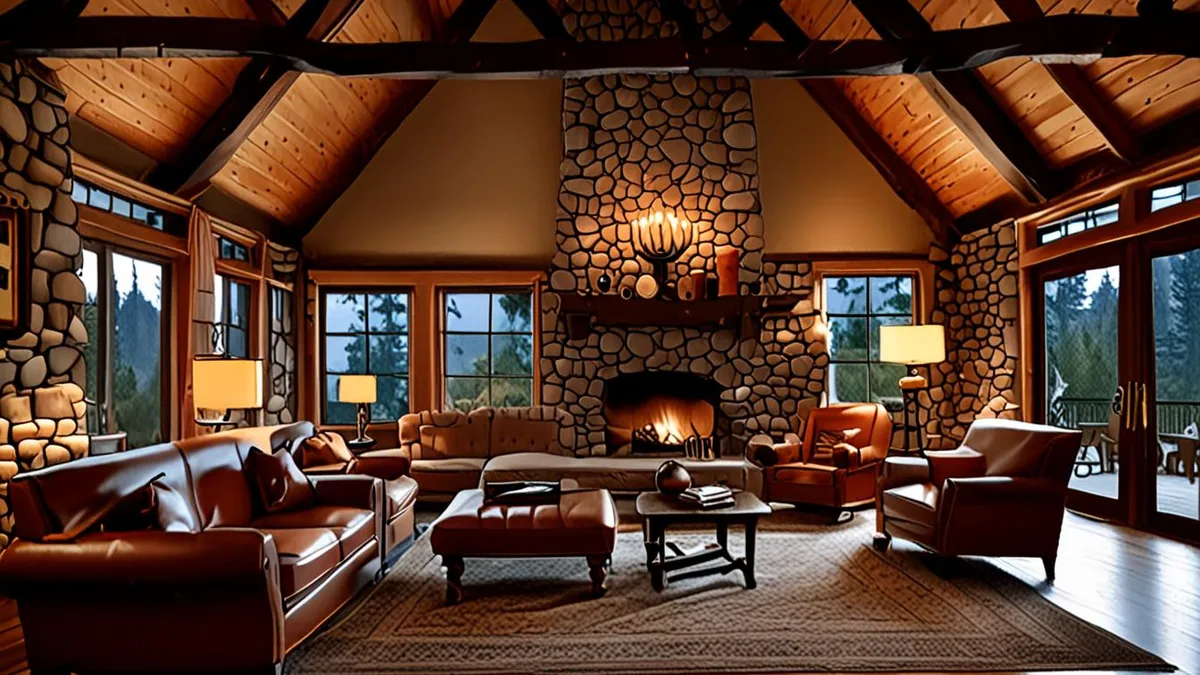
Part of a mountain lodge’s charm is what it doesn’t try to be. Expect rustic interiors: wooden walls and beams, a fireplace or wood stove, and limited in-room technology. Don’t count on a big TV, a minibar or a phone in every room. What you get instead is atmosphere, and many guests find that a crackling fire beats a smart TV anyway.
Connectivity is the biggest adjustment for most first-timers. Wi-Fi is often weak or restricted to common areas like the lobby or lounge, and cell coverage can be patchy or nonexistent. Download maps, books and anything else you need before you arrive, and let family members know you may be hard to reach.
Service Differences From Hotels
Many lodges lack elevators, daily housekeeping and a 24-hour front desk. If you have heavy luggage or mobility concerns, request a ground-floor room when booking. Housekeeping may happen every few days rather than daily, and if you arrive late at night, the front desk may already be closed, so confirm your arrival arrangements in advance.
Shared Extras Worth Using
What lodges lack in private amenities they often make up for in shared ones. Look for saunas, hot tubs, game rooms and gear storage, which are common at well-equipped lodges. A soak in the hot tub after a day on the trails, or an evening of board games in the lounge, is a big part of the lodge experience. These shared spaces are also where you’ll meet fellow travelers and pick up local tips, so build some downtime into your schedule to enjoy them.
Food and Dining at a Mountain Lodge
One of the biggest surprises for first-time lodge guests is how early the kitchen closes. Unlike resort restaurants that serve late into the evening, lodge dining rooms often stop taking orders by 8-9 PM. If you arrive after a long drive and plan to sit down at 8:30, you may find the kitchen already shutting down. Make dinner part of your arrival plan: reserve a table when you check in, or aim to reach the lodge with time to spare before the last seating.
The food itself is part of the experience. Lodge kitchens tend to favor hearty, local fare designed to refuel guests after a day outside. Expect generous portions rather than delicate fine dining, and don’t be surprised if the menu changes with what’s available locally.
Breakfast is usually included in your room rate and served within a fixed morning window, often just a couple of hours long. Ask at check-in exactly when it starts and ends, since showing up at 10:15 for a breakfast that closed at 10 is a common first-timer mistake.
If you’re staying several nights at a remote lodge, it’s worth asking about a half-board plan that bundles dinner and breakfast into your stay. The daily supplement varies by lodge, so ask for the current rate at booking. For many travelers the convenience outweighs the cost: you won’t need to drive back to town every evening or negotiate a dark mountain road after dinner, and your meal budget becomes predictable before you arrive.
A few practical details worth asking about at check-in:
- Dietary needs: remote kitchens work from limited supplies, so mention vegetarian, vegan or allergy requirements when you book, not at the table.
- Packed lunches: many lodges will prepare a takeaway lunch for hikers if you order the night before, often for a small extra charge.
- Bar hours: the bar or lounge may stay open later than the restaurant, which is useful to know if your dinner reservation runs late.
- Children’s portions: family-friendly lodges often serve smaller, simpler plates for kids, but only if you ask for them.
Weather, Seasons and Packing for Your Mountain Lodge Stay
Mountain weather doesn’t follow the forecast for the nearest town. Even in summer, between June and September, days that feel warm in the valley can turn chilly the moment the sun drops behind the ridge. Pack in layers: a t-shirt for midday, a fleece or light insulated jacket for the evening, and a windproof or rain shell for exposed trails. A cold night at elevation is the norm, not the exception.
Winter stays are a different animal. From December through March, temperatures at elevation can drop well below freezing even when the valleys are enjoying mild weather. Insulated, waterproof boots are essential, not optional, and a waterproof jacket and pants will keep you comfortable through snow, sleet and slush. Pack gloves, a hat and spare socks, since wet gear dries slowly in a rustic room.
Packing for a Remote Location
Because most lodges sit 30-90 minutes from the nearest town, forgotten items stay forgotten. Bring a headlamp or small flashlight for walking between buildings after dark, a refillable water bottle, and any basic medications you rely on, along with a small first-aid kit for blisters and scrapes. On-site shops, if they exist at all, are small and expensive, so treat the lodge as self-contained.
Check Conditions Before You Go
Trail and road conditions change fast in the mountains, and lodge staff usually know the current situation better than any app. Call or message the lodge the day before any hike or drive to confirm routes are open and passable. This simple habit has saved many guests from closed trails, washed-out roads and wasted mornings.
Activities and Etiquette Around the Lodge
A mountain lodge is a base camp, and what you do around it changes completely with the seasons. In summer, the surrounding trails draw hikers and mountain bikers, and clear nights reward anyone who steps outside after dark with excellent stargazing far from city lights. Winter flips the script: guests come for skiing and snowshoeing, and many evenings end exactly where a lodge evening should, beside a fire with a drink in hand.
One habit separates savvy repeat guests from frustrated first-timers: booking activities early. Guided hikes, equipment rentals, ski lessons and spa treatments often fill up quickly in peak season, and the front desk can only stretch so far. Make your activity reservations at check-in, before you unpack, so you’re not rearranging your trip around whatever slots happen to be left.
Lodge life is also shared life. You’ll be eating, relaxing and walking hallways alongside the same handful of guests for days, so a little courtesy goes a long way. Keep noise low after 10 PM, follow any posted quiet-hours rules, and remember that sound carries easily through wooden buildings.
The same respect applies to the shared spaces and equipment that make lodge stays pleasant:
- Wipe down gear: bikes, paddles and rental equipment should be cleaned of mud and grass before returning them, so the next guest starts fresh.
- Use the boot racks: drying boots on the provided racks near entrances keeps floors dry and prevents soaked footwear from smelling up your room.
- Leave firewood stocked: if you use the last logs from a shared fireplace or wood stove, restock from the woodpile so the next guest isn’t left hunting in the dark.
- Respect the sauna and hot tub schedule: many lodges post time slots or request short sessions at busy hours, so check the rules before settling in.
Wrapping Up Your First Mountain Lodge Stay
A mountain lodge rewards planning, and that is the biggest difference from booking a regular hotel. The most sought-after lodges fill up quickly for the June to September and December to March peaks, so lock in your dates as early as you can and expect nightly rates from $120 for basic rooms to $400+ for suites in high season. Unlike a city hotel, a lodge typically offers rustic rooms, early dinner service that wraps up by 8-9 PM, weak Wi-Fi and a 30-90 minute drive from the nearest town.
The rest comes down to expectations. Pack for cold nights and remote conditions, confirm check-in and check-out times before you set off, and treat the lodge as part of the experience rather than a base with hotel-style services. Do that, and you’ll settle straight into the lodge experience from the moment you arrive. If this guide helped you plan your first stay, leave a comment or share it with a fellow traveler.