Booking your first all-inclusive resort should feel exciting, but many travelers rush in and pick the cheapest package they can find. Weeks later, they arrive to discover that the wine costs extra, the good restaurant is reserved for premium guests, and the beach is a shuttle ride away. By then, the trip is paid for and the disappointment is real.
This guide walks you through the decisions that matter before you book. We will break down what a package actually covers, help you pick the right destination and season, and show you how to match a resort to your travel style. You will also learn how pricing really works, when to book for the best value, and how to factor in airport transfers and location. Follow these steps and your first all-inclusive vacation will match the brochure, not fight it.
What an All-Inclusive Resort Package Actually Covers
The phrase “all-inclusive” suggests everything is covered, but the reality depends on the package tier you buy. A base package typically includes meals at the main restaurants, standard drinks from the bars, and access to the pool and beach areas. For many travelers, that is genuinely enough to relax without reaching for a wallet all week.
What usually costs extra
The surprises tend to appear at the edges of the package. Specialty dining, such as teppanyaki or fine-dining restaurants, often requires a surcharge or a reservation reserved for higher-tier guests. Premium spirits, top-shelf wines, spa treatments, motorized watersports like jet skis, and off-site excursions are also commonly billed separately. None of this is a scam, but it can double your expected spending if you assume it is included.
Before you book, ask the resort or your travel agent for a full, written list of inclusions. Compare that list across two or three properties at similar prices, and you will quickly see which package offers real value. Two resorts can advertise the same nightly rate while covering completely different things, so the inclusions list is the only fair way to compare.
Picking the Right Destination and Season
Destination and timing shape both your budget and your weather more than almost any other choice. In the Caribbean, peak season runs from mid-December to mid-April, when rates are at their highest and the weather is at its best. If you want reliable sunshine and calm seas, that window delivers, but you will pay for it and resorts fill up early.
Shoulder season and storm risk
Hurricane season spans June to November, and it brings a real trade-off: noticeably lower prices paired with a genuine chance of storms. Many travelers take the gamble and save hundreds of dollars, but it is smart to consider travel insurance and stay flexible. Check a resort’s hurricane policy before booking a trip in this window.
For a first all-inclusive trip, Jamaica and the Dominican Republic are the easiest places to start. Both countries offer the widest choice of resorts at different price points, well-established airport transfers, and staff who are used to first-time guests. You can browse the best all-inclusive resorts across the Caribbean to see how the two destinations compare before committing.
Matching the Resort to Your Travel Style
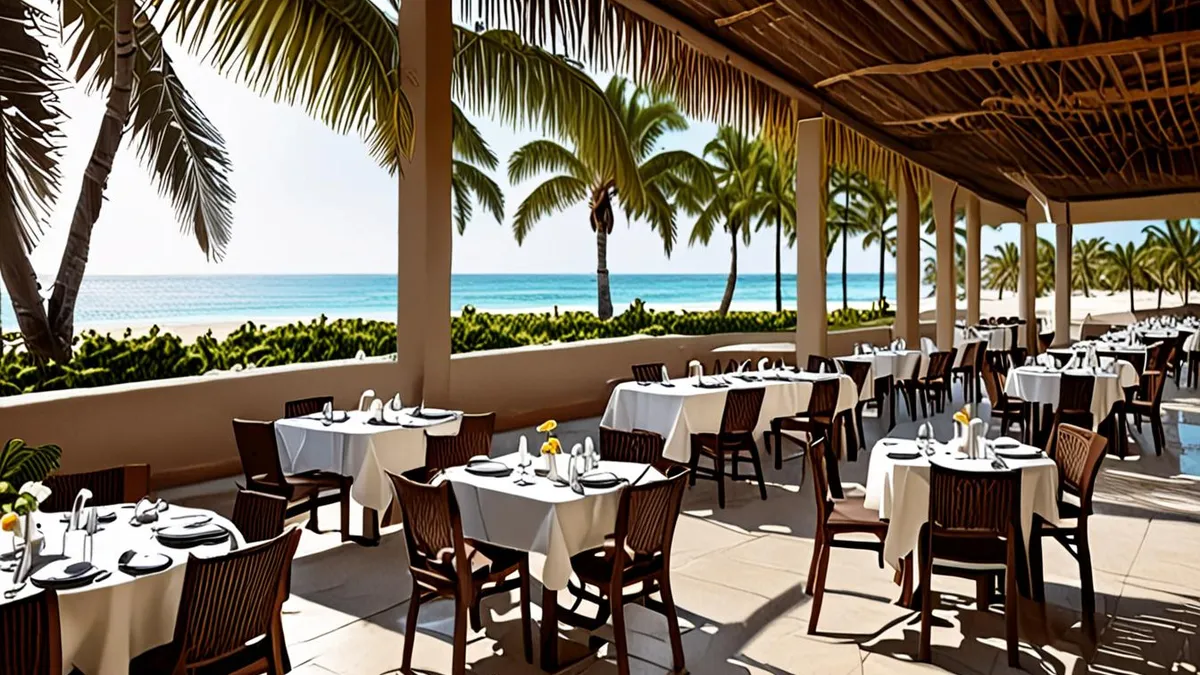
The biggest mistake first-timers make is booking a beautiful resort that simply does not fit their travel party. A couples-only, adults-only property is ideal for honeymoons and anniversaries, with quiet pools and romantic dining. A family resort works differently: it adds kids clubs, shallow pools, and activities designed for children, which means a livelier atmosphere throughout the day.
Beach access is the second thing to verify. Some resorts are genuinely beachfront, others sit on cliffs above the water, and some are a shuttle ride from the sand. If swimming and sunbathing are the core of your trip, confirm exactly where the beach is before you pay.
Size matters too. A 100-room property feels intimate, with short walks and staff who learn your name, while a 500+ room complex offers more restaurants, bars, and scheduled activities but longer lines and crowds. If you are weighing family-friendly options, this guide to all-inclusive beach resorts in Jamaica for family vacations shows what to look for.
- Room location: Ask whether ocean-view rooms carry a surcharge and how far the standard rooms sit from the beach and main pool.
- Dining reservations: Larger resorts often require bookings for specialty restaurants days in advance, while small ones run on open seating.
- Quiet zones: Adults-only sections within family resorts give mixed groups a middle path, so check if the property offers both.
- Pool count: Family resorts with several pools spread out crowds; a single main pool gets busy fast in peak season.
Understanding Pricing and What You Will Really Pay
The first thing to understand about all-inclusive pricing is that most resorts quote rates per person, not per room. A headline price that looks like $400 a night may actually be $400 per adult, which means a couple is really looking at $800 a night. Always divide the total by the number of travelers and compare resorts on a per-person basis, or you could end up comparing two very different price points without realizing it.
So what should you expect to pay? All-inclusive packages typically range from roughly $150 to $600+ per person per night. The price depends on three main factors: the destination, the season, and the room category. A standard room at a value-oriented property in the off season will sit near the lower end of that range, while an oceanfront suite at a luxury resort during high demand will push well past the top of it. Your choice of room view and tier can easily double the nightly rate at the same property.
Budget for the extras
Even at a true all-inclusive, your final bill rarely matches the booking price. Plan to add roughly 10-20% on top of the nightly rate for things like tips, spa treatments, off-site excursions, premium drinks, and meals at specialty restaurants. On a five-night stay for two, that can add up to a meaningful amount, so build it into your budget from the start rather than treating it as a surprise at checkout.
One practical tip: ask the resort which charges typically appear on your final folio. Some properties run a mostly cashless system where everything is billed to your room, which makes it easy to lose track of spending. Setting a daily extras budget for yourself, even a rough one, helps you enjoy the upgrades without a shock when you check out.
When and How to Book Your All-Inclusive Resort
Timing your booking matters more at all-inclusive resorts than at most regular hotels, because rates climb steadily as availability shrinks. A beachfront suite that looks affordable in January can jump sharply in price once peak-season demand kicks in. The good news is that the rules are simple once you know them, and a little planning can save you both money and stress. Follow these steps before you click the book button.
- Decide your dates first, then book backward from them. For peak-season travel, aim to book 3-6 months ahead, when resorts still have a full range of room categories and their best rates. For shoulder season, booking 1-3 months out is usually enough, and you may even find last-minute deals if you are flexible about your room type.
- Check the minimum stay requirement. Most resorts require a minimum stay of 2-3 nights, so a quick weekend getaway may not be possible at the property you have your eye on. Confirm this before you build the rest of your itinerary around a resort, especially if your flights only allow a short window.
- Read the cancellation policy in full. Flexible rates usually cost a bit more than non-refundable ones, which can be a fair price if your plans might change. If you are traveling during hurricane season or booking far in advance, that flexibility can be worth every penny.
- Compare the total price, not the nightly rate. Add taxes, fees and any mandatory extras to each quote before deciding, so you are comparing what you will actually pay.
One last tip: after booking, save your confirmation and recheck the resort’s policies a few weeks before departure. Resorts occasionally adjust what their packages include, and knowing about any changes while you still have time to adjust your plans makes all the difference. A quick email to the resort confirming your room category and inclusions takes five minutes and can prevent surprises at check-in.
Location and Logistics: Getting There and Getting Around
Where your resort sits on the map shapes your entire trip, yet many first-timers book on price and photos alone. In the Caribbean, airport transfers of 30-90 minutes are common, so a resort that looks “close” on a map may still mean a long, winding ride after a red-eye flight. Factor that travel time into your first day, and consider booking a morning arrival so you are not checking in at night.
Distance from town matters just as much. A resort far from any town means you will rely on the property for every meal, drink and evening’s entertainment, which is fine if that is the kind of vacation you want. If you like to wander, though, isolation can start to feel like a gilded cage by day three. Before booking, look at what surrounds the resort:
- Shops and markets nearby. If you want to pick up snacks, sunscreen or souvenirs without a taxi ride, choose a resort within 30 minutes of shops or a small town.
- Restaurants off the resort. Even all-inclusive fans usually enjoy one dinner out. A location near local restaurants gives you that option without a half-day expedition.
- Excursion departure points. Snorkeling trips, catamaran cruises and zip-line tours often leave from specific docks or pick-up points. A resort close to these saves an hour or more of transfers on excursion days.
A quick way to check all of this: open a map app, drop a pin on the resort and see what is genuinely within a short drive. Ten minutes of research now can save you from booking a beautiful resort in the middle of nowhere when what you really wanted was a stroll to the marina.
Your First All-Inclusive Stay Made Simple
Most first-timers grab the cheapest all-inclusive deal they can find, then discover mid-trip that premium drinks and specialty restaurants cost extra and the resort sits an hour from anywhere. The fix is simple: check exactly what the package covers before you compare prices, and make sure the location matches how you actually want to spend your days.
Then match the destination, season and resort style to your travel party, whether that is a couples-only escape or a family resort with a kids club. Book early for peak season, budget for the extras beyond the nightly rate, and you will walk in with no surprises. If this guide helped you plan your first stay, leave a comment or share it with a friend who is booking their first all-inclusive too.